Source vegan natural whitening body lotion for moisturizing, nourishing, and lightening
Find 30 options for vegan natural whitening body lotion from verified suppliers. Compare OEM/ODM capabilities, certifications like GMP and ISO22716, and ingredient profiles including Vitamin C and Aloe Vera for diverse skin needs.
Key considerations
Products List



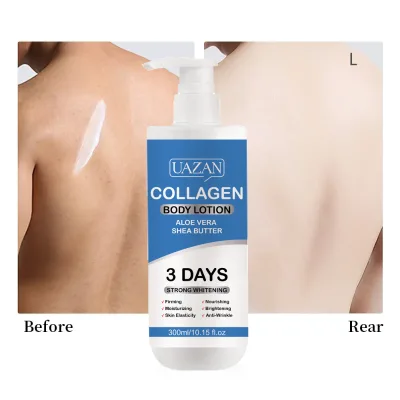

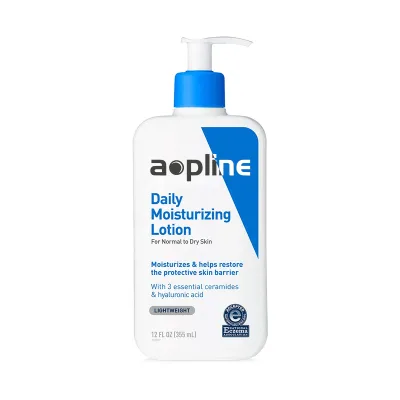
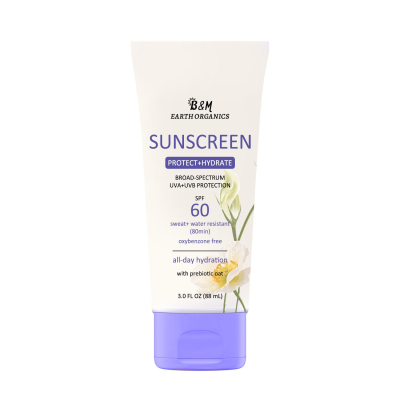
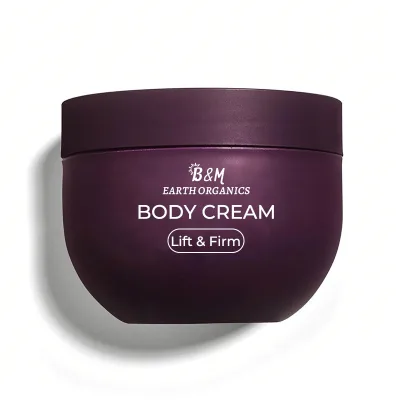
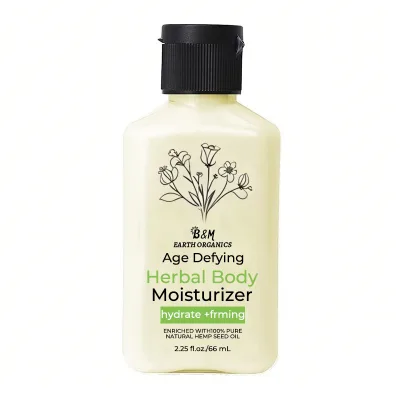
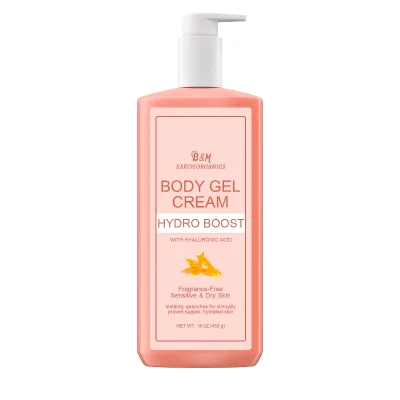
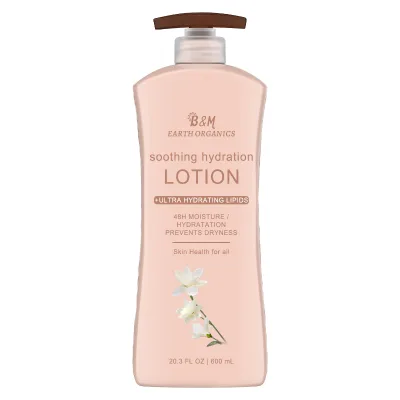
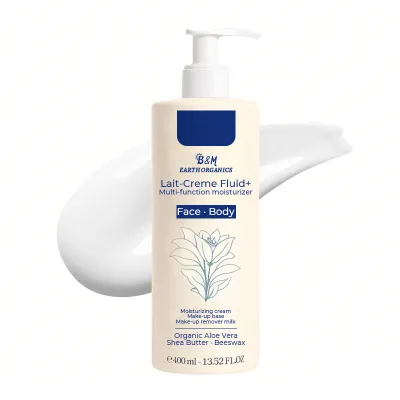




Comprehensive Sourcing Guide
Strategic Sourcing Guide for Vegan Natural Whitening Body Lotion
Understanding Product Specifications and Formulation Standards
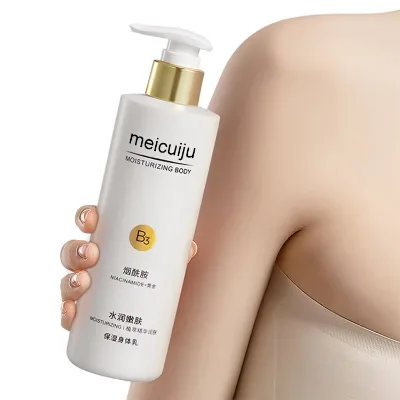
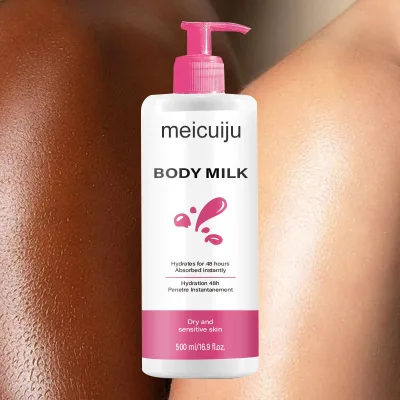
When sourcing a vegan natural whitening body lotion, the primary objective is to align technical specifications with the core requirements of the product category. Based on the available market data, the product form is consistently identified as a lotion, often referred to in trade as "body milk." The physical container is predominantly plastic, supplied in cartons with a standard packing quantity of 48 units per carton. This packaging configuration is critical for logistics planning and inventory management, as it dictates the volumetric efficiency of shipping containers.
The formulation of these lotions varies significantly in terms of volume and standard weight. Buyers must verify the specific standard associated with their order, as observed standards include 50g, 100g, 250g, 150ml, 200ml, and 300ml. The model numbers associated with these variants, such as D35, D357, D358, D529, D534, and specific designations like "body lotion-01," "body lotion-04," "Rose Body Lotion 16," and "Sheer Body Oil 20," serve as unique identifiers for the supplier's catalog. It is essential to confirm that the selected model number corresponds to the desired volume and ingredient profile.
The ingredient profile is a defining characteristic for the "vegan natural" segment. The market data indicates a strong preference for formulations that are free from sulfates, silicones, and parabens. Key ingredients frequently cited include organic compounds, Vitamin C, aloe vera, and herbal extracts. These ingredients are selected to support the "whitening" and "lightening" features while maintaining a "moisturizing" and "nourishing" effect. The target skin type is generally listed as "all skin types," and the product is suitable for use at various times, including morning, evening, afternoon, and night. The fragrance profile is typically described as "fresh," contributing to the sensory experience of the application.
Compliance, Certification, and Regulatory Verification
In the B2B procurement of personal care products, particularly those making claims about natural ingredients and skin benefits, certification serves as a critical verification tool. The supply chain for these lotions demonstrates a range of certifications that buyers must validate. Common certifications observed in the market include GMP (Good Manufacturing Practice), MSDS (Material Safety Data Sheet), GMPC (Good Manufacturing Practice for Cosmetics), ISO 22716, Sedex, and FDA registration.
It is important to distinguish between the different types of certification. GMP and ISO 22716 relate to the manufacturing process and quality management systems, ensuring that the product is produced in a hygienic and controlled environment. MSDS provides safety data regarding the chemical composition, which is vital for shipping and handling. Sedex certification indicates adherence to ethical trade practices, which aligns with the "vegan" and "cruelty-free" attributes often desired by this demographic. FDA registration, where applicable, suggests compliance with specific regulatory frameworks, though the scope of this registration must be verified against the destination market's regulations.
Buyers should not assume that a single certification covers all aspects of compliance. The presence of a "GMPC&ISO22716&Sedex" combination suggests a robust quality system, but the specific requirements for the target export market must be cross-referenced. For instance, while some listings mention CE certification, this is often a background observation and should not be treated as a definitive claim without specific documentation for the product batch. The verification process must include requesting current certificates from the supplier and confirming their validity with the issuing bodies. The "cruelty-free" and "vegan" claims, while present in the ingredient lists, require third-party validation to ensure they are not merely marketing terms but are backed by verified sourcing and production practices.
Cost Drivers and Pricing Dynamics
The pricing structure for vegan natural whitening body lotions is influenced by several variables, including volume, customization, and certification levels. The observed price range in the market spans from $0.30 to $5.50 USD per unit. This wide range indicates that the final cost is highly dependent on the specific product configuration and the level of service required.
The Minimum Order Quantity (MOQ) is a significant factor in determining the unit price. The market data shows an MOQ range from 1 unit to 30,000 units. Typically, lower MOQs, such as those starting at 1 unit, are associated with higher unit costs, catering to small businesses or sample testing. Conversely, orders approaching the upper limit of 30,000 units will likely benefit from economies of scale, pushing the price toward the lower end of the observed range.
Customization is a major cost driver. The supply type is listed as OEM/ODM, meaning suppliers offer Original Equipment Manufacturer and Original Design Manufacturer services. This allows buyers to request private labeling, specific ingredient adjustments, and custom packaging. The availability of customization implies that the base price may increase if the buyer requires unique formulations, such as specific concentrations of Vitamin C or aloe vera, or if they need distinct model numbers tailored to their brand. Additionally, the lead time for samples is observed to be 3-5 days, which can impact the overall project timeline and associated costs if expedited shipping is required.
Typical Applications and Market Positioning
The application of vegan natural whitening body lotions is primarily for home use, targeting a broad demographic. The product is designed for the body, with specific features including skin revitalization, moisturization, whitening, and exfoliation. The target audience includes all ages, though some listings specifically note "adults" as the primary demographic. The gender focus is often listed as female, but the "all ages" and "all skin types" attributes suggest a broader potential market.
The functional benefits are central to the product's market positioning. The "whitening" and "lightening" features are achieved through the inclusion of ingredients like Vitamin C and organic extracts. These products are positioned as multi-functional, offering not just skin brightening but also deep moisturization and nourishment. The "fresh" fragrance and the "white" color of the lotion contribute to a perception of purity and natural efficacy.
The time of use is flexible, with recommendations for morning, evening, afternoon, and night application. This versatility allows the product to fit into various skincare routines. The "body milk" designation suggests a texture that is likely lighter than a heavy cream but more substantial than a serum, making it suitable for daily use across different climates. The application for home use implies that the product is intended for personal care rather than professional salon treatments, although the high-quality certifications suggest it meets professional standards.
Supplier Evaluation and Service Capabilities
Evaluating suppliers for this product category requires a focus on their service capabilities and production flexibility. The supply type is consistently listed as OEM/ODM, indicating that suppliers are equipped to handle private label orders and custom formulations. The brand names observed, such as "Yileizi" and "UAZAN," suggest that some suppliers operate their own brands while also offering white-label services.
The place of origin is a critical factor in supplier evaluation. The data indicates that the primary production location is Guangdong, China, with specific mentions of Guangdong as the place of origin. This region is known for its robust manufacturing infrastructure in the cosmetics and personal care sector. Buyers should verify the specific factory location within Guangdong to assess logistical efficiency and potential supply chain risks.
Service capabilities extend beyond manufacturing to include packaging and logistics. The standard packing method involves cartons with 48 units per carton, which is a standard unit for palletization. The ability to customize the packaging and the product model (e.g., D35, D534) is a key differentiator. Buyers should inquire about the supplier's capacity to handle different MOQs and their flexibility in adjusting the formulation to meet specific ingredient requirements, such as organic or vegan certifications.
Quality Control and Long-Term Procurement Considerations
Quality control is paramount in the procurement of body lotions, especially those making claims about natural and whitening properties. The presence of certifications like GMP, ISO 22716, and Sedex provides a baseline for quality assurance. However, buyers must implement their own quality control measures to ensure consistency. This includes verifying the ingredient lists against the actual product received, checking for consistency in the "fresh" fragrance and "white" color, and ensuring the packaging integrity.
Long-term procurement considerations involve establishing a reliable supply chain that can scale with demand. The observed lead time for samples is 3-5 days, which is efficient for initial testing. However, the lead time for bulk production is not explicitly stated in the data and must be negotiated with the supplier. Buyers should plan for potential variations in lead times based on the complexity of the customization and the volume of the order.
Sustainability and ethical sourcing are also long-term considerations. The "vegan," "cruelty-free," and "organic" attributes require ongoing verification of the supply chain. Buyers should request documentation on the sourcing of raw materials to ensure that the "organic" and "vegan" claims are maintained throughout the production process. Additionally, the "Sedex" certification suggests a commitment to ethical trade, which should be monitored to ensure compliance with changing international standards.
Summary of Key Procurement Parameters
To facilitate a structured approach to sourcing, the following table summarizes the key parameters observed in the market for vegan natural whitening body lotions. This table serves as a checklist for buyers to ensure all critical aspects are addressed during the procurement process.
| Parameter Category | Observed Values / Options | Verification Requirement |
|---|---|---|
| Product Form | Lotion, Body Milk | Confirm texture and viscosity |
| Bottle Material | Plastic | Verify durability and recyclability |
| Packaging | Cartons, 48 Qty/CTN | Check carton dimensions and strength |
| Standards/Volume | 50g, 100g, 150ml, 200ml, 250g, 300ml | Match to target market regulations |
| Key Ingredients | Organic, Vitamin C, Aloe Vera, Herbal | Request batch analysis reports |
| Certifications | GMP, MSDS, GMPC, ISO 22716, Sedex, FDA | Validate current certificates |
| Features | Whitening, Moisturizing, Nourishing, Exfoliating | Confirm efficacy claims |
| Origin | Guangdong, China | Verify factory location |
| Service Type | OEM/ODM, Private Label | Confirm customization capabilities |
| Price Range | $0.30 - $5.50 USD | Negotiate based on MOQ |
| MOQ Range | 1 - 30,000 units | Align with budget and demand |
| Sample Lead Time | 3-5 days | Plan for testing and approval |
By adhering to these parameters and maintaining a rigorous verification process, buyers can successfully source high-quality vegan natural whitening body lotions that meet both their commercial and ethical standards. The focus on specific certifications, ingredient transparency, and flexible manufacturing capabilities ensures a robust supply chain capable of delivering consistent value.
FAQs
What certifications do vegan natural whitening body lotions typically have?
These products commonly hold GMP, MSDS, GMPC, ISO 22716, Sedex, and FDA certifications. Buyers must verify current certificates from the supplier to ensure they meet specific export market regulations and ethical trade standards.
Which bottle materials and packaging standards are used for these lotions?
The bottles are predominantly made of plastic and supplied in cartons. Standard packing quantities are 48 units per carton, with volume standards ranging from 50g to 300ml depending on the specific model selected.
Can suppliers offer customization for private labeling and formulations?
Yes, suppliers provide OEM and ODM services including private labeling and custom formulations. Buyers can request specific ingredient profiles like Vitamin C or Aloe Vera, though this may affect the unit price and lead time.
What is the typical price range and minimum order quantity for these products?
The observed price range spans from 0.30 to 5.50 USD per unit. Minimum order quantities vary significantly from 1 unit to 30,000 units, with lower MOQs often resulting in higher per-unit costs.
How long does it take to receive samples for these body lotions?
Sample lead times are typically 3 to 5 days. This efficient timeline allows for quick initial testing, though bulk production lead times must be negotiated separately based on order volume and customization complexity.
Where are these vegan natural whitening body lotions manufactured?
The primary place of origin is Guangdong, China. Buyers should verify the specific factory location within this region to assess logistical efficiency and potential supply chain risks associated with the manufacturing infrastructure.